Sports scholarships at UK boarding schools are highly competitive opportunities that typically cover partial fees. Success requires exceptional sporting ability, strong academic performance, and direct engagement with individual schools about their specific criteria and eligibility requirements.
What Are Sports Scholarships at UK Boarding Schools
Sports scholarships boarding schools offer represent a pathway for talented young athletes to receive financial assistance whilst pursuing their education at some of the country’s most prestigious institutions. These awards recognise exceptional sporting ability and potential, combining academic excellence with athletic achievement.
Unlike full academic scholarships, sports scholarships typically cover a portion of the total fees rather than the complete cost. Research from leading independent schools confirms that merit-based awards usually provide financial discounts rather than full funding. Schools use these awards to attract promising athletes who can contribute to their sporting programmes whilst maintaining strong academic standards. The landscape is competitive, with limited places available and strict selection criteria that vary significantly between institutions.
How Sports Scholarships Differ from Standard Bursaries
Sports scholarships focus specifically on athletic merit and potential, whilst bursaries primarily address financial need. Many schools offer both types of support, and some families may qualify for a combination of awards. The application processes differ substantially, with sports scholarships requiring demonstration of sporting excellence through assessments, references, and sometimes trials.
Understanding these distinctions helps families target their applications more effectively and set realistic expectations about the level of support available.
Why Are Sports Scholarships So Competitive
The reality of sports scholarships is that they represent some of the most sought-after opportunities in independent education. Industry research shows that schools typically offer only a handful of sports scholarships each year, making the selection process intensely competitive. This scarcity means that applications must demonstrate not just current ability, but genuine potential for future development.
What Makes Competition So Intense
- Limited number of awards available per school per year
- High academic standards required alongside sporting excellence
- National and regional level competition from other applicants
- Schools seeking athletes who can contribute immediately to their programmes
- Additional criteria such as leadership potential and character assessment
Many schools receive hundreds of applications for just a few sports scholarship places. Evidence from admissions departments indicates that the selection process often involves multiple stages, including initial application review, sporting assessments, academic testing, and interviews.
How Schools Evaluate Sporting Potential
Admissions teams look beyond current performance to assess long-term potential. Schools consistently emphasise factors such as coachability, dedication to training, ability to balance academic and sporting commitments, and potential to represent the school at regional or national level competitions.
This evaluation process typically includes fitness assessments, skills demonstrations, and detailed references from current coaches. Schools want to see evidence of sustained commitment and improvement over time, not just isolated excellent performances.
Which Students Are Eligible for Sports Scholarships
Eligibility criteria vary significantly between schools, making individual research absolutely essential. However, certain patterns emerge across most institutions offering sports scholarships.
Are International Students Eligible
This represents one of the most complex aspects of sports scholarship applications. Many schools limit bursary support to UK citizens, but sports scholarships often operate under different criteria. Some institutions welcome international applicants for merit-based awards, whilst others restrict these opportunities to domestic students.
The variation in policies means that families must contact each school directly to verify eligibility. This step cannot be skipped, as assumptions about eligibility often prove incorrect and can waste valuable application time.
What Level of Sporting Achievement Is Expected
| Achievement Level | Typical Requirements | Competition Strength |
|---|---|---|
| Regional representation | County or regional team selection | Moderate competition |
| National level | National squad selection or ranking | Strong competition |
| International potential | Junior international representation | Highest competition |
Schools seek students who demonstrate clear progression in their chosen sport. This might include consistent improvement in times, rankings, or competition results over recent years. Evidence of dedication through regular training, coaching relationships, and competition participation strengthens applications significantly.
Keep detailed records of your sporting achievements, including competition results, training schedules, and coach feedback. This documentation becomes crucial during the application process and helps demonstrate your commitment and progression over time.
How Much Financial Support Do Sports Scholarships Provide
Understanding the financial reality of sports scholarships helps families plan more effectively for the total costs of boarding school education. The amount of support varies considerably, but rarely covers the full cost of attendance.
What Percentage of Fees Might Be Covered
Sports scholarships typically cover between 10% and 20% of total fees, though some exceptional awards may reach 50% of costs in certain circumstances. However, the evidence suggests that most awards fall in the lower range, and families should plan accordingly. Schools typically structure these awards as percentage discounts rather than fixed amounts, meaning the actual monetary value depends on the institution’s fee structure.
Additional costs such as uniforms, equipment, trips, and personal expenses usually remain the family’s responsibility, even with substantial scholarship support. Understanding these additional expenses helps families budget more accurately for the complete cost of attendance.
Sports scholarships are an investment in potential, not just current ability. Schools look for students who will grow into leaders both on the field and in their academic pursuits.
Can Scholarships Be Combined with Other Support
Evidence from leading boarding schools indicates that some institutions allow families to combine sports scholarships with means-tested bursaries, potentially increasing the total level of support. However, policies vary significantly, and many institutions cap the maximum combined assistance available to any individual student.
This flexibility makes direct communication with schools even more important, as families may discover opportunities for additional support that are not immediately obvious from published materials.
When speaking with admissions teams, specifically inquire about combining sports scholarships with other forms of financial support. Many families miss opportunities by not asking about these possibilities during initial conversations.
What Sports Are Most Likely to Receive Scholarship Support
Different schools prioritise different sports based on their facilities, coaching expertise, and competitive ambitions. Understanding these priorities helps families target their applications more strategically.
Which Traditional Sports Receive Most Support
- Rugby – particularly in schools with strong rugby traditions
- Cricket – especially for promising batsmen and bowlers
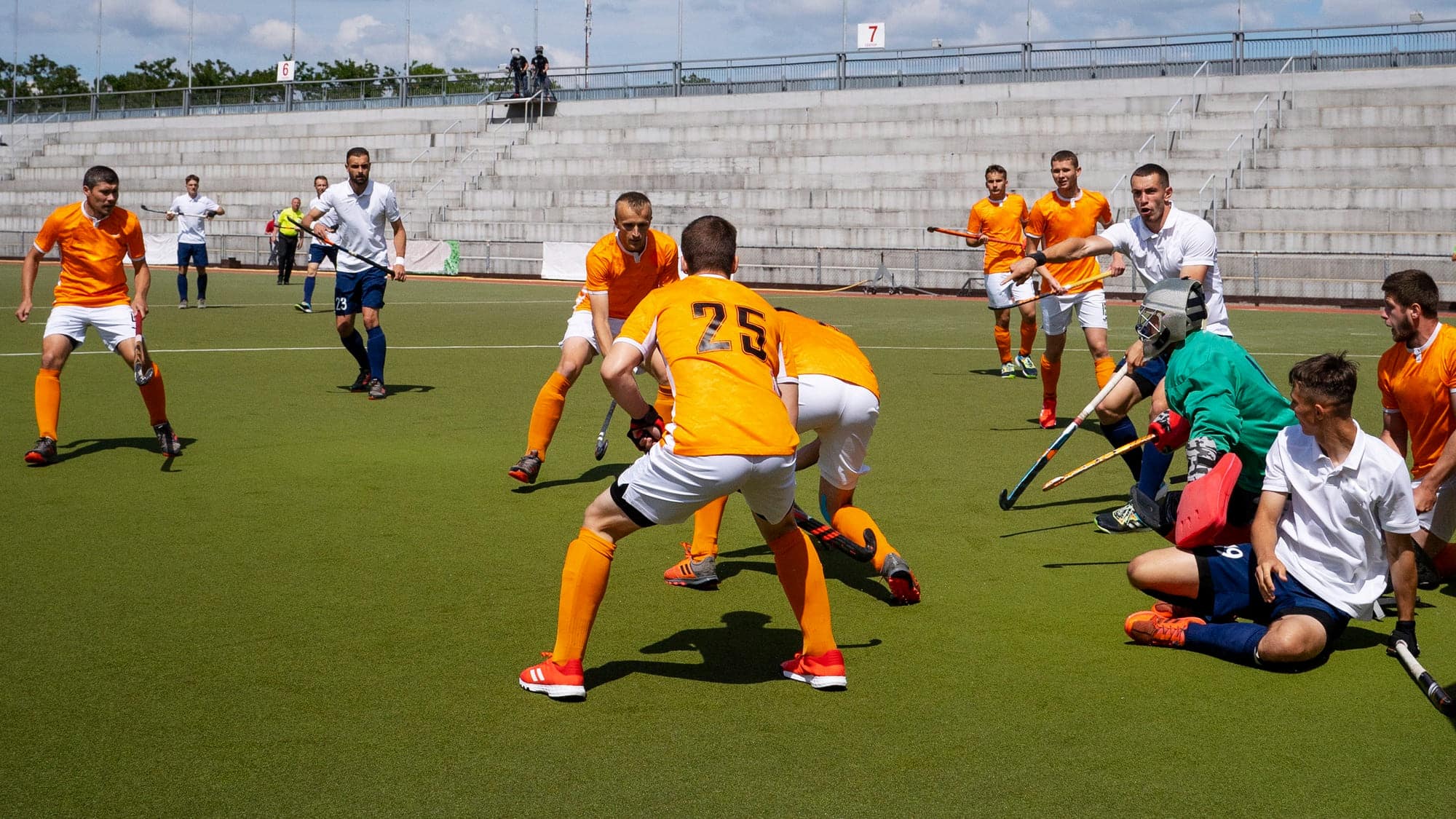
- Hockey – both field hockey and ice hockey where facilities exist
- Tennis – individual excellence often highly valued
- Swimming – measurable performance makes assessment straightforward
- Athletics – track and field events with clear benchmarks
Schools with particular sporting strengths often offer more generous support in their specialist areas. For example, institutions known for their rowing programmes may offer substantial scholarships for promising rowers, whilst schools with excellent tennis facilities focus their sporting scholarships on racquet sports.
Are Emerging Sports Gaining Recognition
Some schools now recognise newer sports and activities, including climbing, cycling, martial arts, and even esports in certain cases. These emerging areas may represent opportunities for students with exceptional ability in less traditional sports, though the level of support available varies considerably.
The key lies in matching individual sporting strengths with schools that value and support those particular activities. This research-intensive approach often reveals unexpected opportunities for scholarship support.
How to Research and Apply for Sports Scholarships
Successful sports scholarship applications require systematic research and careful preparation. The process begins well before formal application deadlines and demands sustained effort over several months.
Where to Find Accurate Information About Each School
Direct contact with schools provides the most reliable information about scholarship opportunities and eligibility criteria. Admissions teams can clarify policies, explain application processes, and provide guidance about the level of sporting ability they typically seek.
School websites offer starting points, but policies change regularly and published information may not reflect current opportunities. Personal conversations with admissions staff ensure families receive up-to-date and accurate guidance tailored to their specific circumstances.
Our comprehensive guide to the best boarding schools in the UK provides detailed information about institutions known for their sporting programmes and scholarship opportunities.
Arrange visits to schools that interest you, particularly to see sporting facilities and meet coaches. These visits provide valuable insights into the school's sporting culture and help you assess whether it would be a good fit for your development.
What Supporting Documentation Is Required
Applications typically require comprehensive documentation of sporting achievements, including competition results, rankings, training records, and detailed references from current coaches. Academic records must demonstrate the ability to balance sporting commitments with educational requirements.
Many schools also require fitness assessments, skills demonstrations, or trial sessions as part of the evaluation process. These assessments allow coaching staff to evaluate potential and determine how applicants might contribute to existing programmes.
When Should Applications Be Submitted
Evidence from multiple schools shows that sports scholarship applications often have earlier deadlines than standard admissions, sometimes closing in the autumn before intended entry. This early timeline requires families to begin research and preparation well in advance of their planned start date.
Some schools operate rolling admissions for sports scholarships, particularly for exceptional candidates, but relying on this approach carries significant risk. Early application ensures the best chance of consideration and allows time for any additional requirements or assessments.
What to Do If Your Initial Applications Are Unsuccessful
Sports scholarship applications are inherently competitive, and initial disappointment is common even for talented athletes. Understanding next steps helps families navigate setbacks constructively and identify alternative pathways.
How to Strengthen Future Applications
Unsuccessful applicants can use feedback to identify areas for improvement and strengthen subsequent applications. This might involve additional training, seeking higher-level coaching, competing in more challenging competitions, or improving academic performance.
Many successful scholarship recipients apply multiple times, using each experience to refine their approach and demonstrate continued development. Schools often remember promising candidates who reapply after showing clear improvement and sustained commitment.
Are There Alternative Sources of Support
Local sporting organisations, national governing bodies, and charitable foundations sometimes offer grants or scholarships for promising young athletes. These alternative sources may provide support for training, equipment, or educational expenses, even when school-specific scholarships are not available.
Additionally, some families explore co-educational options, as these schools may have different sporting priorities and scholarship opportunities. Our guide to the best co-educational boarding schools highlights institutions with strong sporting traditions and scholarship programmes.
Continue your sporting development even if initial scholarship applications are unsuccessful. Sustained improvement demonstrates dedication and may open doors to opportunities in subsequent years or at different institutions.
What the Research Shows About Sports Scholarship Success
Key Findings from School Admissions Data
- Schools consistently prioritise athletic potential alongside current performance, looking for evidence of coachability and sustained commitment to training
- The most successful applicants demonstrate clear progression in their sport over multiple years, with documented achievements at club, county, or regional level
- Schools value athletes who can balance sporting excellence with academic achievement, as scholarship holders are expected to represent the school in both areas
- Early application significantly improves chances of success, as many schools close sports scholarship applications months before general admission deadlines
- Direct communication with schools remains crucial, as eligibility criteria and award structures vary considerably between institutions
- However, families should be aware that the evidence around optimal application timing is still emerging, with different schools operating varying deadlines and assessment schedules
Getting Professional Support with Your Application
The complexity of sports scholarship applications often benefits from professional guidance, particularly for families unfamiliar with the UK boarding school system. Expert support can help identify suitable schools, strengthen applications, and navigate the assessment process effectively.
How We Can Help You Secure Sports Scholarships
Our team understands the intricacies of sports scholarship applications and maintains relationships with schools across the UK. We can help identify institutions that match your sporting abilities and academic goals, ensuring your applications target the most promising opportunities.
Professional support includes application strategy development, documentation preparation, interview preparation, and ongoing guidance throughout the assessment process. This comprehensive approach maximises your chances of success whilst ensuring you present your abilities in the strongest possible light.
Begin working with admissions specialists well in advance of your intended start date. This timeline allows for proper research, application development, and any additional preparation that might strengthen your candidacy.
The sports scholarship landscape requires careful navigation, but with the right preparation and support, talented athletes can secure valuable opportunities at outstanding schools. Success depends on realistic expectations, thorough research, and sustained commitment to both sporting and academic excellence.
Key Takeaways for Sports Scholarship Success
Sports scholarships at UK boarding schools offer genuine opportunities for talented athletes, but success requires strategic planning and realistic expectations. The competitive nature of these awards means that preparation and presentation often matter as much as raw sporting ability.
Direct communication with schools remains essential, as policies and opportunities vary significantly between institutions. Families who invest time in research and relationship-building consistently achieve better outcomes than those who rely solely on published information or generic approaches.
Remember that sports scholarships typically provide partial rather than complete financial support. Planning for the full cost of boarding school education, including additional expenses, ensures families can make sustainable commitments when opportunities arise.
Most importantly, the scholarship application process should align with broader educational and sporting development goals. The best outcomes occur when families view scholarships as part of a comprehensive plan for academic and athletic growth, rather than as isolated financial objectives.