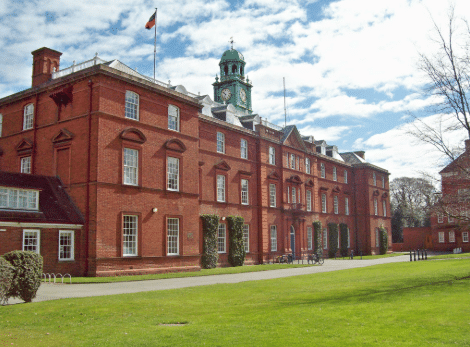
Moving from an international curriculum to the UK system requires careful planning to avoid qualification gaps, with GCSEs in English and Maths remaining essential even after higher education for future job applications.
Moving your child from an international school system to the UK can feel overwhelming, particularly when you’re navigating unfamiliar qualifications and worried about disrupting their educational journey. Whether you’re relocating from the US, Australia, or another country, understanding how to transition to UK school system requirements will help ensure your child doesn’t fall behind academically.
The UK education system operates differently from most international curricula, with distinct phases that build upon each other. Unlike some systems where students can transfer more easily between year groups, the UK’s structured approach means timing your transition carefully can make the difference between a smooth change and significant academic disruption.
This guide will walk you through the practical steps needed to transition successfully, from understanding qualification requirements to exploring flexible pathways that can help bridge any gaps in your child’s education.
What Makes the UK Education System Different from International Curricula
The UK system follows a specific progression through key stages, each building essential foundations for the next level. Research from UK education authorities shows that understanding these differences helps explain why timing your transition matters so much.
How UK Qualifications Build Upon Each Other
Unlike some international systems where students can move more flexibly between levels, UK qualifications follow a clear hierarchy. GCSEs (typically taken at age 16) provide the foundation for A Levels (ages 16-18), which then lead to university admission. Studies show that GCSE grades directly influence sixth form admissions decisions, with students requiring Grade 4 or above to progress to Level 3 qualifications. This structured approach means students who transition mid-way through their education may find themselves without the expected qualifications for their age group.
Community feedback consistently highlights that transitioning without completing a qualification phase can leave students in a difficult position. Many families discover too late that their child lacks the recognised credentials needed for the next educational step, creating delays and additional stress.
Why GCSEs Remain Important Throughout Life
One crucial aspect that catches many international families off guard is the ongoing importance of GCSE qualifications, particularly in English and Mathematics. These certificates remain relevant for job applications throughout your child’s career, even after completing university degrees. Government guidance for employers confirms that GCSEs continue to be valued as baseline qualifications, though the evidence shows this varies by sector and role level rather than being universal across all careers.
UK employers often ask for GCSE grades when reviewing applications, particularly for entry-level positions and apprenticeships. This differs significantly from many international systems where earlier qualifications become less relevant once higher education is completed.
| UK Stage | Typical Age | Qualification | Why It Matters |
|---|---|---|---|
| Key Stage 4 | 14-16 | GCSEs | Foundation for A Levels and lifelong job applications |
| Key Stage 5 | 16-18 | A Levels | University admission requirements |
| Higher Education | 18+ | University Degree | Professional qualifications |
When Should You Make the Transition to Avoid Qualification Gaps
Timing your child’s transition can significantly impact their academic success and future opportunities. Research suggests that the most straightforward transitions occur at natural break points in the education system, though the evidence shows this isn’t always universal for every student.
Optimal Transition Points
The smoothest transitions typically happen at the start of Key Stage 4 (age 14) when students begin their GCSE courses, or at the beginning of sixth form (age 16) when they start A Levels. Education professionals note that these natural break points align with how UK schools structure their programmes and minimise disruption to your child’s learning, though individual circumstances can vary significantly.
Starting GCSEs from the beginning allows students to build the foundation knowledge that A Level courses expect. Many families who attempt to join the system mid-way through these phases find their children struggling with gaps in subject-specific knowledge and unfamiliar teaching styles.
Challenges of Mid-Phase Transitions
Educational professionals consistently warn about the difficulties of transitioning during the middle of a qualification phase. When comparing A Levels to international curricula like the IB, education experts find the evidence is mixed – A Levels offer greater depth in individual subjects while the IB presents broader overall coverage, making direct comparisons complex. Students who haven’t completed GCSEs may find themselves unprepared for the rigorous analytical thinking required, though the exact level of challenge varies depending on their previous curriculum.
The jump to A Levels without proper GCSE preparation can be overwhelming. Students need that foundational knowledge to succeed at the higher level.
However, this doesn’t mean mid-phase transitions are impossible. Some students successfully adapt with additional support, but it requires realistic expectations and often extra tutoring to bridge knowledge gaps.
Which Schools Accept International Students Without Full UK Qualifications
Not all UK schools have the same requirements for international students, and understanding your options can open up pathways you might not have considered.
How International Schools and Sixth Forms Approach Admissions
Schools with significant international experience often show more flexibility in their admissions processes, though this varies considerably between institutions. These schools understand that students from different educational systems may not have standard UK qualifications but can still succeed academically. However, the evidence shows that while these schools may be more flexible in timing and process, they still maintain selective criteria.
Some sixth forms will consider equivalent international qualifications or allow students to demonstrate their abilities through entrance examinations. Private schools, in particular, may offer more individualised admission processes that take into account your child’s overall academic record rather than focusing solely on specific UK qualifications.
When researching schools, ask specifically about their experience with international students and whether they offer bridging programmes or additional support for students transitioning between systems.
What Assessment Options Exist for International Students
Several standardised assessments can help demonstrate your child’s academic abilities to UK schools, even without traditional UK qualifications. The UKISET examination is specifically designed for international students applying to UK independent schools and provides a recognised measure of academic ability.
Research shows that UKiset was developed in collaboration with Cambridge University Press & Assessment and is now used by over 180 British independent schools. The assessment compares candidates against British students of the same age group and evaluates both academic potential and English proficiency.
For younger students, the ISEB pre-test system offers another pathway for demonstrating academic readiness. These assessments can provide schools with the confidence they need to accept students without traditional UK qualifications.
Additionally, some schools offer their own entrance examinations that allow them to assess students based on ability rather than previous qualifications. These bespoke assessments can be particularly valuable for students with strong academic records from non-UK systems.
How to Bridge Educational Gaps and Meet UK Requirements
Even if your child doesn’t have standard UK qualifications, several pathways can help them meet the requirements for continued education or future career opportunities.
What Online Learning Options Are Available
Online education platforms offer flexible solutions for students who need to complete GCSEs or other UK qualifications while adapting to their new environment. Evidence from established providers shows that these programmes allow students to study at their own pace whilst receiving proper preparation for official examinations.
Many families find that completing essential subjects like English and Mathematics through online programmes provides the qualifications needed for future applications without requiring a complete restart of their child’s education. However, it’s worth noting that the flexibility and quality can vary significantly between providers.
If pursuing online qualifications, identify local examination centres well in advance. Some subjects have limited availability, and popular centres book up quickly during peak examination periods.
How Local Authority Support Can Help
Your local borough or council may offer resources and guidance for families navigating the UK education system. These services often include information about local schools, available support programmes, and alternative pathways for students with non-standard educational background.
Some councils operate their own educational support services or can connect you with organisations that specialise in helping international families integrate into the UK system. Don’t hesitate to reach out to these services, as they’re designed to help families exactly like yours.
Speak with your local authority, potential schools, and educational consultants to get a complete picture of your options. Different sources may be aware of programmes or opportunities that others haven't mentioned.
What Preparation Helps Students Succeed in UK Schools
Beyond meeting formal qualification requirements, preparing your child for the differences in teaching style, assessment methods, and academic expectations can significantly improve their transition experience.
How UK Teaching and Assessment Styles Differ
UK schools often emphasise analytical thinking and critical evaluation more heavily than some international systems. Students are expected to develop independent study skills and engage with subjects at a deeper conceptual level, particularly as they progress through GCSEs and A Levels.
The examination format also differs significantly from many international curricula. UK assessments often require extended written responses, essay-style questions, and the ability to synthesise information from multiple sources. Students accustomed to more structured or multiple-choice assessments may need time to adapt to these expectations.
Familiarise your child with past GCSE and A Level papers in their intended subjects. The question styles and marking schemes can be quite different from international curricula.
Which Subjects Require the Most Preparation
English Literature and Language often present the biggest challenges for international students, as UK curricula focus heavily on specific texts, writing styles, and analytical approaches that may be unfamiliar. Mathematics, while more universal, still has specific methodologies and presentation requirements that differ between systems.
Science subjects typically transfer more easily, though students should familiarise themselves with practical assessment requirements and any differences in content coverage. The 13+ Common Entrance examination provides a good benchmark for understanding UK academic expectations across different subjects.
- English subjects require the most cultural and stylistic adaptation
- Mathematics needs attention to specific methodologies and presentation
- Sciences generally transfer well but check practical requirements
- Humanities may require familiarity with UK-specific content and perspectives
What the Research Says About Educational Transitions
Understanding what evidence exists about successful curriculum transitions can help you make informed decisions about your child’s education:
- UK government guidance confirms that the education system is structured with distinct key stages that build upon each other, making natural transition points at ages 14 and 16 generally smoother
- GCSEs in English and Mathematics do provide important foundations for further study and employment, though their importance varies by career sector after higher education
- Online learning platforms can provide flexible pathways to UK qualifications, but quality and support levels vary significantly between providers
- The evidence on A Level difficulty compared to international curricula is mixed – they’re more demanding in subject depth but not necessarily in overall workload compared to programmes like the IB
- Early planning and flexibility appear important for successful transitions, though we don’t yet have rigorous research proving this definitively
What to Do Next – Planning Your Child’s Successful Transition
Successfully transitioning to the UK education system requires early planning and a clear understanding of your options. Start by assessing your child’s current qualifications and identifying any gaps that need addressing before they can progress to their desired educational level.
Research schools in your area that have experience with international students, and don’t limit yourself to state schools if private options might offer better support for your child’s specific situation. The 16+ entry process can provide valuable guidance for older students making the transition.
Begin planning at least a year before your intended move if possible. Having multiple options and pathways identified reduces stress and gives you time to address any unexpected requirements.
Consider engaging with educational professionals who specialise in helping international families navigate the UK system. Expert guidance can help you avoid common pitfalls and identify opportunities you might not discover on your own.
Elite British Admissions offers comprehensive support for families transitioning to the UK education system, helping you understand your options and develop a strategy that works for your child’s specific needs and timeline.
Keep detailed records of your child's previous education, including syllabi, grades, and any standardised test results. These documents can be valuable when applying to schools or demonstrating equivalent qualifications.
Key Takeaways for a Smooth Educational Transition
Transitioning from an international curriculum to the UK system doesn’t have to derail your child’s education if you plan carefully and understand your options. The most successful transitions happen when families research their choices early, maintain realistic expectations about timelines, and remain flexible about potential pathways, though we don’t yet have definitive research proving this approach.
Remember that GCSEs in English and Mathematics remain important throughout your child’s career in the UK, particularly for entry-level positions and apprenticeships, making these qualifications worth pursuing even if it requires additional time or alternative study methods. Many successful students have navigated similar transitions, and with proper support and preparation, your child can thrive in the UK education system.
Focus on finding schools and programmes that understand international students’ needs, and don’t hesitate to seek professional guidance when the options feel overwhelming. The investment in getting this transition right pays dividends throughout your child’s academic and professional future.