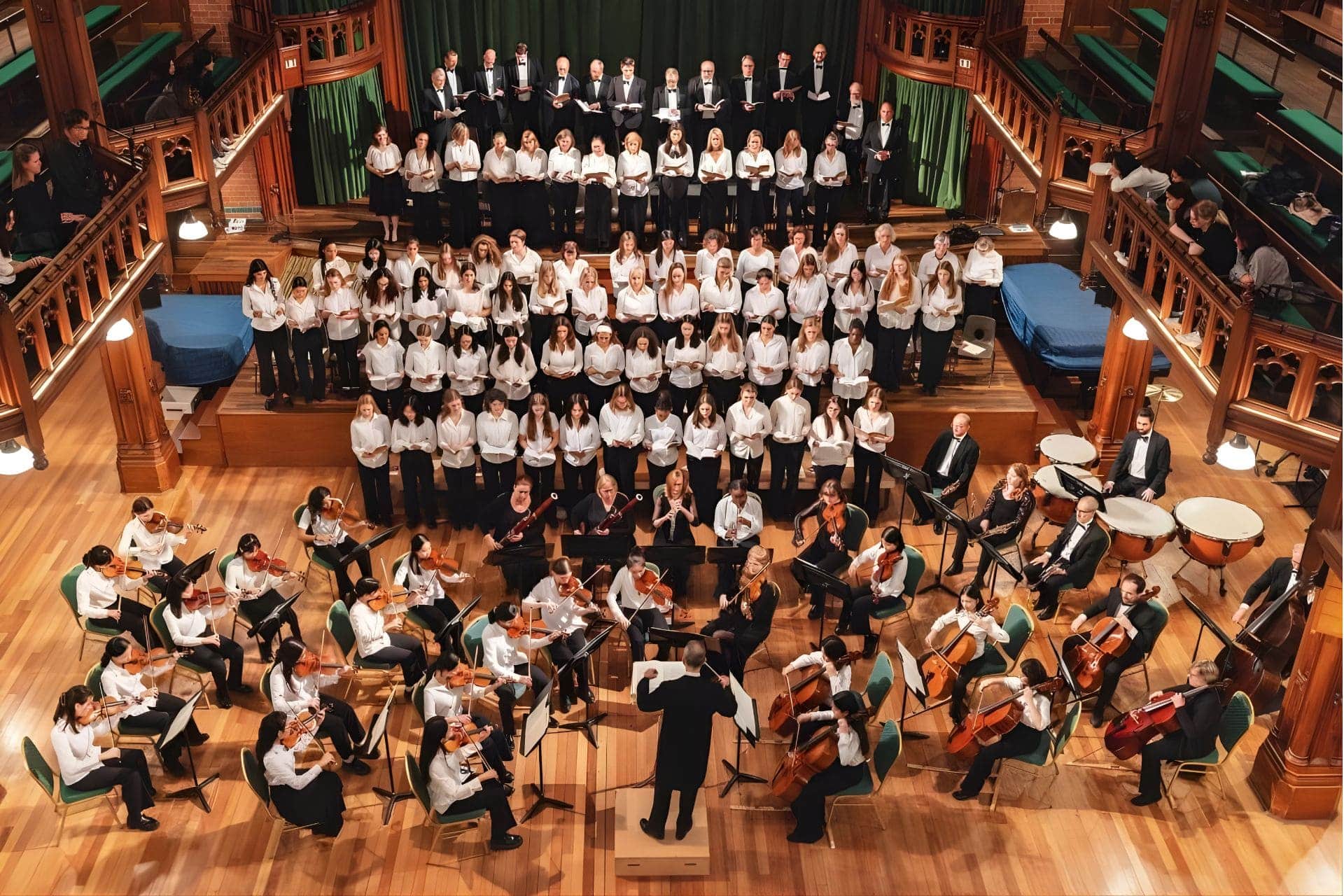
Music scholarships at UK independent schools provide talented students with financial support and exceptional opportunities to develop their musical abilities whilst receiving an outstanding education.
Choosing the right educational path for your musically talented child can feel overwhelming, particularly when considering the financial implications of independent school fees. Research shows that music scholarships at UK independent schools offer a remarkable opportunity for young musicians to access world-class education whilst developing their musical talents in an environment designed to nurture excellence.
These scholarships typically combine financial assistance with access to superior facilities, specialist teaching, and performance opportunities that can shape a young musician’s future. Independent schools across the UK recognise the value of musical talent and invest significantly in programmes designed to identify and support promising students.
Understanding how music scholarships work, what they offer, and how to secure one can help you make informed decisions about your child’s educational journey whilst ensuring their musical development remains a priority.
What Benefits Do Music Scholarships Provide Beyond Financial Support
Music scholarships at independent schools offer far more than just fee reduction. The most significant advantage lies in accessing exceptional facilities and resources that can dramatically enhance your child’s musical education. Evidence from leading institutions suggests that many independent schools provide access to superior equipment, purpose-built music facilities, and performance spaces, though the quality can vary between institutions.
How Do Facilities Impact Musical Development
The quality of musical facilities directly influences learning outcomes. Many well-resourced independent schools feature professional recording studios, multiple practice rooms with high-quality instruments, and concert halls designed for optimal acoustics. These environments allow students to develop their skills in settings that mirror professional music venues, though it’s worth noting that not all independent schools have such extensive facilities.
Students benefit from access to a wide range of instruments, often including rare or expensive pieces that would be financially prohibitive for families to purchase. This exposure enables young musicians to explore different instruments and find their particular strengths without the barrier of instrument costs.
What Role Does Individualised Attention Play
Smaller class sizes in independent schools enable music teachers to provide individualised attention that can cater to each student’s unique learning needs and musical interests. Research on class size consistently shows that reduced numbers allow teachers to adapt instruction more readily and provide more personalised feedback.
Teachers can adapt their instruction methods to suit different learning styles, identify areas requiring additional support, and provide challenges appropriate to each student’s skill level. This flexibility proves particularly valuable for music education, where individual practice and technique refinement are essential.
- One-to-one lessons with specialist instrument teachers
- Small ensemble groups allowing for meaningful participation
- Regular performance opportunities in supportive environments
- Access to masterclasses with visiting professional musicians
- Mentorship programmes connecting students with alumni in the music industry
Look for schools that offer regular concerts, competitions, and external performance opportunities. These experiences build confidence and provide valuable stage experience that cannot be replicated in practice rooms.
How Do Independent Schools Develop Confidence and Communication Skills
Beyond musical training, independent schools focus significantly on developing students’ confidence and public speaking abilities. These skills prove invaluable during auditions, interviews, and future career progression in the music industry or any other field students might pursue.
Why Does Confidence Matter for Young Musicians
Musical performance inherently requires confidence, whether performing solo pieces or contributing to ensemble work. Evidence from specialist music schools shows that regular performance opportunities through concerts, recitals, and masterclasses are designed to gradually build students’ comfort with public presentation.
Students develop the ability to articulate their musical interpretations, discuss their practice methods, and engage in constructive criticism about their performances. These communication skills translate directly into better audition performance and more effective collaboration with other musicians.
Musical education at independent schools isn't just about technical proficiency. We focus on developing well-rounded musicians who can communicate their artistry and navigate the professional music world with confidence.
| Confidence Building Activity | Musical Benefit | Long-term Advantage |
|---|---|---|
| Regular solo performances | Reduced performance anxiety | Stronger audition performance |
| Ensemble leadership roles | Collaborative skills development | Professional networking abilities |
| Music theory presentations | Deeper understanding of concepts | Teaching and mentorship capabilities |
| Peer feedback sessions | Critical listening skills | Professional critique abilities |
What Should Families Understand About Scholarship Limitations
Whilst music scholarships offer exceptional opportunities, families must understand that these programmes do not guarantee universal success. Personal effort, external opportunities, and individual circumstances play critical roles in determining outcomes.
How Do Individual Factors Affect Success
A scholarship provides access and opportunity, but student motivation and dedication ultimately determine progress. Some students thrive in independent school environments whilst others may find the pressure overwhelming or the culture unsuitable for their personality.
Success depends significantly on the student’s willingness to embrace practice routines, accept constructive feedback, and actively participate in musical activities beyond required coursework. The most successful scholarship recipients tend to be self-motivated individuals who view their musical education as a privilege rather than an obligation.
- Regular practice habits established before starting the programme
- Openness to feedback and willingness to implement suggestions
- Interest in exploring various musical styles and genres
- Ability to balance academic work with intensive music commitments
- Social adaptability to thrive in the school’s cultural environment
What Environmental Considerations Should Families Evaluate
The social environment at independent schools may present challenges that differ from state school experiences. Some students may encounter difficulties with peer dynamics, particularly if their background differs significantly from the majority of their classmates.
Research suggests that peer relationships strongly affect student wellbeing, and the smaller nature of many independent schools can sometimes make it more challenging to escape negative dynamics, though this varies considerably between institutions and depends greatly on the school’s culture and pastoral support systems.
Arrange visits during normal school days to observe the social atmosphere and how music students interact. This gives you better insight than formal open days or audition visits.
How Should Families Compare Local Options and Make Informed Decisions
The choice between state and independent education should depend heavily on the quality of local state schools and your family’s specific circumstances rather than broad assumptions about school types. Some state schools offer outstanding music programmes that rival independent school offerings.
What Factors Should Guide Your Decision-Making Process
Research the music programmes available at your local state schools before assuming independent school education is necessary. Many state schools have invested significantly in music facilities and may offer specialist music programmes, partnerships with local conservatoires, or exceptional individual teachers.
Consider your child’s specific learning style and social needs alongside their musical abilities. A supportive environment that matches their personality may prove more beneficial than prestigious facilities if the cultural fit is poor.
Evaluate the long-term financial commitment carefully, including additional costs beyond tuition fees such as instrument rental, music lessons, travel to performances, and summer programmes. Evidence shows that music scholarships rarely cover 100% of costs, and additional expenses can accumulate quickly.
| Consideration | Independent School | State School |
|---|---|---|
| Facility quality | Generally high standard | Varies significantly by school |
| Class sizes | Generally smaller | Often larger but varies |
| Financial cost | High even with scholarships | Lower overall cost |
| Social diversity | Often more limited | Generally more diverse |
| Performance opportunities | Frequent and high-quality | Depends on school priorities |
Remember that successful musicians come from all educational backgrounds. Focus on finding the environment where your child will be happiest and most motivated to practice and learn.
What Steps Can Families Take to Pursue Music Scholarship Opportunities
Successfully securing a music scholarship requires careful preparation, realistic expectations, and strategic timing. The application process typically begins well before the intended start date and requires substantial evidence of musical ability and potential.
How Should You Prepare for Music Scholarship Applications
Begin by researching schools that align with your child’s musical interests and offer scholarship programmes in their particular instruments or musical focus areas. Different schools may specialise in classical music, contemporary styles, or particular instruments.
Document your child’s musical progress through recordings, competition results, examination grades, and performance experience. Many schools require audition recordings as part of the initial application process, so ensure you have access to quality recording equipment or professional recording services.
Consider seeking guidance from current music teachers about realistic expectations and appropriate school choices. They can provide valuable insight into your child’s abilities relative to scholarship requirements and suggest strategies for improving weak areas before applications.
- Research scholarship requirements at target schools at least 18 months before intended start date
- Arrange additional lessons to prepare audition pieces to competition standard
- Attend school open days and music department presentations
- Prepare high-quality recordings demonstrating technical skill and musical interpretation
- Gather references from current music teachers and performance directors
- Complete practice interviews to develop confidence in discussing musical goals
If you’re considering top independent schools across the UK, research their specific music programmes and scholarship opportunities early in your planning process. Many of the finest boarding schools offer exceptional music facilities and may provide boarding scholarships alongside music awards. For families in the capital, London’s premier independent schools often feature particularly strong music departments due to their proximity to professional venues and musicians.
Most schools require pieces from different musical periods and styles. Start preparing a diverse repertoire well in advance, allowing time to polish each piece to performance standard.
What Support Can Families Access During the Application Process
Professional guidance can significantly improve your chances of securing appropriate scholarships whilst ensuring you make informed decisions about school selection. Educational consultants specialising in independent school admissions understand the nuances of different school cultures and can help identify programmes that align with your child’s needs and abilities.
Elite British Admissions provides comprehensive support for families navigating music scholarship applications, offering expertise in school selection, application strategy, and audition preparation to maximise your child’s chances of success.
Working with specialists can help you avoid common pitfalls such as applying to schools with incompatible musical philosophies, submitting inadequate audition materials, or underestimating the time required for thorough preparation.
What the Evidence Shows About Music Scholarships
Research and professional guidance from education bodies reveal several important patterns about music scholarships at independent schools.
- Music scholarships combine financial support with enhanced educational opportunities, particularly through specialist facilities and teaching
- Smaller class sizes in independent schools enable more individualised instruction, which is particularly beneficial for music education
- Regular performance opportunities at these schools are designed to build confidence and presentation skills over time
- Most music scholarships provide partial rather than complete financial coverage, with families typically facing additional costs
- The application process requires substantial advance planning and evidence of musical ability
- Early scholarship success, whilst valuable, does not guarantee future professional achievement in music
What Realistic Expectations Should Families Hold About Music Scholarships
Music scholarships represent competitive opportunities that can transform your child’s educational experience, but success requires realistic planning and sustained commitment from both students and families. The most successful scholarship recipients approach their musical education with dedication, openness to learning, and realistic expectations about the challenges ahead.
Remember that musical talent develops over time, and early scholarship success does not guarantee future professional achievement. Conversely, students who don’t initially secure scholarships may still develop into accomplished musicians through alternative pathways and sustained effort.
Focus on finding educational environments where your child can thrive musically and personally, whether that’s through scholarship programmes at independent schools or excellent music provision in your local state system. The goal should always be supporting your child’s love of music whilst providing them with educational opportunities that match their individual needs and circumstances.
Musical education is a marathon, not a sprint. Choose schools and programmes that will support your child's development over several years rather than focusing solely on immediate prestigious opportunities.