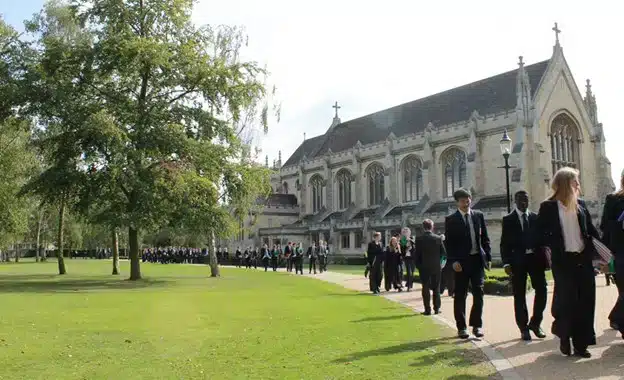
Preparing for a boarding school interview requires understanding the school's ethos, demonstrating academic enthusiasm, and showing your commitment to co-curricular activities and pastoral care responsibilities.
Securing a place at a UK boarding school represents a significant milestone, and the interview process plays a crucial role in determining your success. Unlike standard academic assessments, boarding school interview preparation involves demonstrating not just your intellectual capabilities, but your readiness to thrive in a residential community environment.
The interview serves multiple purposes for schools – it allows them to assess your academic passion, evaluate your fit with their community values, and determine your commitment to the full boarding experience. Understanding what schools are looking for and how to present yourself authentically can make the difference between acceptance and disappointment.
This comprehensive guide will walk you through every aspect of preparation, from researching the school’s unique culture to practising responses that showcase your genuine enthusiasm for learning and community involvement.
What Makes UK Boarding School Interviews Different
How Do Boarding School Interviews Compare to Day School Interviews
Boarding school interviews typically adopt a more conversational and relaxed approach compared to their state school counterparts, though this can vary between institutions. Professional guidance from the Independent Schools Council suggests these interviews focus more on getting to know you as a person rather than conducting a rigid question-and-answer session.
These interviews are notably thorough and specific to your application. Expect detailed questions about your academic interests, personal statement, and any unique experiences you’ve mentioned. The depth of questioning reflects the school’s investment in understanding whether you’ll flourish in their particular environment.
Why Schools Value the Full Boarding Experience
UK boarding schools seek students who will contribute meaningfully to their residential community. Research from boarding education specialists indicates that schools look for candidates who understand and embrace the full scope of boarding life, including evening activities, weekend commitments, and pastoral responsibilities.
- Evening study periods and supervised homework sessions
- Weekend sports fixtures and cultural activities
- House competitions and community service projects
- Mentoring younger students and peer support roles
What the Research Says About Boarding School Interview Preparation
Evidence from educational consultants and school admissions guidance suggests several key factors contribute to interview success:
- Sustained preparation works best – While the exact timing varies by individual needs, thorough preparation generally improves confidence and performance
- Schools value genuine intellectual curiosity – Independent reading and academic exploration beyond coursework consistently impresses interviewers
- Community contribution matters significantly – Boarding schools prioritise students who demonstrate commitment to residential life and peer support
- Practice interviews build confidence – Mock sessions with teachers or mentors help students articulate their thoughts more clearly
- Evidence on depth versus breadth of activities remains mixed – While some schools prefer sustained commitment to fewer activities, others value well-rounded involvement across multiple areas
- Interview formats vary considerably – Though many aim for a conversational approach, students should prepare for different questioning styles
How to Research the School’s Ethos and Values
What Information Should You Prioritise
Begin your research by thoroughly examining the school’s website, paying particular attention to their mission statement and core values. Each boarding school has developed its own distinct ethos over decades or centuries, and demonstrating understanding of these principles shows genuine interest beyond academic reputation.
Look for information about the school’s founding principles, notable alumni achievements, and current strategic priorities. Many schools publish annual reports or magazines that provide insights into recent developments and future directions.
| Research Area | Key Sources | What to Look For |
|---|---|---|
| Academic Philosophy | Curriculum pages, department descriptions | Teaching approaches, subject specialisms, university preparation methods |
| House System | Student life sections, house descriptions | House traditions, pastoral care structure, competition systems |
| Co-curricular Programme | Activities lists, sports pages, arts programmes | Available opportunities, level of commitment expected, leadership roles |
| School Culture | News articles, student publications, social media | Daily life examples, celebration of achievements, community events |
How to Connect Your Background to School Values
Once you understand the school’s priorities, consider how your experiences align with their values. If the school emphasises global citizenship, reflect on your international experiences or language learning. If they prioritise innovation, think about your involvement in technology projects or creative problem-solving activities.
Prepare specific examples that demonstrate these connections naturally. Avoid forcing links that don’t genuinely exist – authenticity is far more valuable than artificial alignment.
How to Demonstrate Academic Enthusiasm and Subject Knowledge
What Level of Subject Knowledge Do Schools Expect
Interviewers will probe your understanding of subjects you’ve expressed interest in studying. This goes beyond regurgitating textbook knowledge – they want to see genuine intellectual curiosity and the ability to think critically about topics that excite you.
Prepare to discuss recent developments in your chosen fields, books you’ve read independently, or problems you’ve encountered that sparked further investigation. Educational guidance from The Good Schools Guide emphasises that schools consistently look for students who demonstrate learning beyond classroom requirements.
- Current reading – Discuss books, articles, or journals you’ve engaged with recently
- Independent projects – Describe research or creative work you’ve undertaken outside of school
- Intellectual challenges – Share problems or questions that have captured your interest
- Future aspirations – Explain how your current interests might develop into university study or career paths
How to Discuss Academic Challenges and Growth
Be prepared to discuss subjects or concepts you’ve found difficult. Schools value students who can reflect on their learning process and demonstrate resilience when facing academic challenges. Professional guidance on boarding education suggests that this shows maturity and self-awareness that boarding schools particularly appreciate.
We're looking for students who see challenges as opportunities for growth, not obstacles to avoid. The ability to reflect on your learning journey shows intellectual maturity, though the evidence on exactly what constitutes this maturity in boarding environments is still developing.
How to Showcase Your Commitment to Co-curricular Activities
Which Activities Matter Most to Boarding Schools
Boarding schools highly value students who will contribute to their vibrant co-curricular programmes. These activities form the backbone of boarding life, creating opportunities for leadership development, community building, and personal growth beyond the classroom.
When it comes to breadth versus depth of involvement, guidance from leading boarding schools suggests the picture is nuanced – some schools prefer sustained commitment and development in specific areas, whilst others value well-rounded participation across multiple activities.
- Sports and physical activities – Team sports, individual pursuits, outdoor education experiences
- Creative arts – Music, drama, visual arts, creative writing, film production
- Community service – Volunteering, charity work, environmental projects, peer mentoring
- Leadership roles – Student council, team captaincy, club leadership, event organisation
- Academic enrichment – Debating societies, Model UN, subject competitions, research projects
How to Explain Your Future Contributions
Prepare thoughtful responses about how you would contribute to the school’s existing programmes and potentially develop new initiatives. This demonstrates forward-thinking and genuine enthusiasm for becoming an active community member.
Consider specific examples from your current involvement that show your ability to collaborate, lead, and support others. Schools want to understand how you work within groups and handle responsibility.
How to Prepare for Common Interview Questions
What Academic Questions Should You Expect
Academic questions will likely focus on your genuine interests rather than testing specific knowledge. Expect questions about what excites you most about your chosen subjects, recent discoveries that have captured your attention, or how you approach learning new concepts.
Choose a topic you're passionate about and practice explaining it to someone unfamiliar with the subject. This helps you articulate your thinking clearly under pressure.
Be ready to discuss books, documentaries, podcasts, or online courses you’ve engaged with independently. This shows intellectual curiosity beyond formal education requirements.
How to Answer Questions About Boarding Life
Schools will explore your understanding of and enthusiasm for residential life. They want to ensure you’re prepared for the realities of living away from home and contributing to a house community.
- Your experience with independence and self-management
- How you handle conflicts or disagreements with peers
- Your approach to balancing academic work with social activities
- Ways you might support younger or struggling students
- Your plans for maintaining family relationships while at school
What Personal Development Questions to Prepare For
Expect questions that explore your character, resilience, and ability to grow from challenges. These might include discussing times you’ve failed and what you learned, or describing how you’ve overcome personal obstacles.
Have three detailed examples ready that demonstrate different aspects of your character, such as perseverance, leadership, and empathy. Use the STAR method to structure your responses clearly.
How to Build Confidence and Reduce Interview Anxiety
What Practical Preparation Techniques Help Most
Mock interviews with teachers, family members, or friends can significantly improve your confidence and help identify areas for improvement. Professional interview preparation services suggest that practice maintains eye contact, speaking clearly, and structuring your responses logically, though the exact benefits can vary between students.
Record yourself answering practice questions to identify speech patterns, nervous habits, or unclear explanations. This self-awareness allows you to make targeted improvements before the actual interview.
| Preparation Method | Benefits | Time Investment |
|---|---|---|
| Mock interviews with teachers | Professional feedback, realistic scenarios | 1-2 hours weekly for 4 weeks |
| Video practice sessions | Self-awareness, body language improvement | 30 minutes daily for 2 weeks |
| Question bank preparation | Comprehensive coverage, reduced surprises | 2-3 hours total over several days |
| School research project | Deep understanding, natural conversation topics | Several hours of focused research |
How to Manage Nerves on Interview Day
Arrive early to familiarise yourself with the environment, but not so early that you spend excessive time worrying. Bring a book or notes to review, giving you something constructive to focus on while waiting.
Remember that most interviewers want you to succeed. They’re trying to determine if you’re a good fit for their community, not trying to catch you out or make you fail.
Review your key examples and talking points during travel, but avoid cramming new information on interview day. Focus on staying calm and positive rather than last-minute preparation.
What to Expect During the Interview Process
How Are Boarding School Interviews Typically Structured
Most boarding school interviews last between 20-45 minutes, as current admissions guidance indicates, and involve one or two interviewers, often including a senior teacher and possibly a house staff member. The conversation typically begins with general getting-to-know-you questions before moving into more specific areas.
You might also have separate conversations with current students or a brief tour of facilities. These informal interactions are still part of the assessment process, so maintain your genuine enthusiasm throughout.
What Follow-up Questions Should You Prepare
Asking thoughtful questions demonstrates genuine interest and helps you gather important information for your decision-making process. Prepare several questions that show you’ve researched the school thoroughly.
- Specific aspects of the house system or pastoral care
- Opportunities for academic extension or enrichment
- How the school supports students’ university preparation
- Recent developments or future plans for facilities or programmes
- Ways students contribute to the local community
How We Can Help You Succeed
Preparing for boarding school interviews requires careful planning, authentic self-reflection, and confidence-building practice. The most successful candidates combine thorough research with genuine enthusiasm for the school’s community and values.
Remember that the interview is as much about finding the right fit for you as it is about impressing the school. Educational specialists emphasise that approaching the process with curiosity about what each school offers and how you might contribute to their community leads to more authentic conversations.
Begin your interview preparation several weeks before your first interview, though the exact timing depends on your individual needs and circumstances. This allows time for thorough research, practice sessions, and building genuine confidence.
[Elite British Admissions uses shortcodes in articles to highlight key information, quotes, practical tips and a services carousel. These shortcodes must always be printed exactly as written (including attribute names and quoting) and treated as plain text in the HTML. Do not escape, reformat or add extra attributes. Shortcodes can be wrapped in block-level tags such as
when output.]
- Research each school’s unique ethos and values thoroughly
- Prepare specific examples that demonstrate your academic passion
- Practice discussing your co-curricular involvement and future contributions
- Build confidence through mock interviews and self-reflection
- Approach the process with genuine enthusiasm and authenticity
Key Takeaways for Interview Success
Successful boarding school interview preparation balances thorough research with authentic self-presentation. Schools value candidates who demonstrate genuine academic curiosity, commitment to community life, and the maturity to thrive in a residential environment.
The interview process offers an opportunity to showcase your unique qualities while determining whether each school aligns with your educational goals and personal values. Approach each conversation with confidence, knowing that proper preparation has equipped you to represent yourself effectively.
Remember that the best interviews feel like engaging conversations between people who share educational values and aspirations. Your genuine enthusiasm for learning and community involvement will shine through when you’ve prepared thoughtfully and present yourself authentically.